The way we travel is quietly changing. Not with fanfare, but with footprints that fade faster and stays that linger longer in memory. Across France, a growing number of travelers are choosing not just a place to sleep, but an experience rooted in presence - one where the rhythm of nature sets the pace. This shift isn’t just about comfort; it’s about reimagining what outdoor living can be. Forget cramped tents and noisy campsites. A new wave of travelers is embracing stays where design, ecology, and tranquility converge. And in this transformation, one thing is clear: luxury no longer means marble floors or five-star service, but space, silence, and a deep connection to the land.
The rise of architectural luxury camping in France
In recent years, France has become a hotspot for a new kind of outdoor hospitality - one where thoughtful architecture meets ecological responsibility. Glamping here isn’t just a passing trend; it’s a redefinition of how we interact with nature while maintaining a high standard of comfort. This evolution has given rise to structures that feel less like temporary shelters and more like permanent extensions of the landscape. Crafted with care, these accommodations prioritize both aesthetics and sustainability, blending seamlessly into forests, meadows, and riverbanks.
Sustainable design meets modern amenities
At the heart of this movement is a commitment to materials that age gracefully and tread lightly. Untreated wood, hemp insulation, and reclaimed building elements are becoming standard features, not just for their low environmental impact, but for the warmth and authenticity they bring. These materials contribute to a healthier indoor climate, free from volatile chemicals, while offering natural thermal regulation. The result is a living space that breathes - literally and figuratively. For those seeking a more personal connection with nature, some sites offer a specialized Glamping in der Auvergne experience that merges slow tourism with absolute comfort. These locations often integrate large windows, open layouts, and natural ventilation to dissolve the boundary between inside and out.
Privacy as the new ultimate luxury
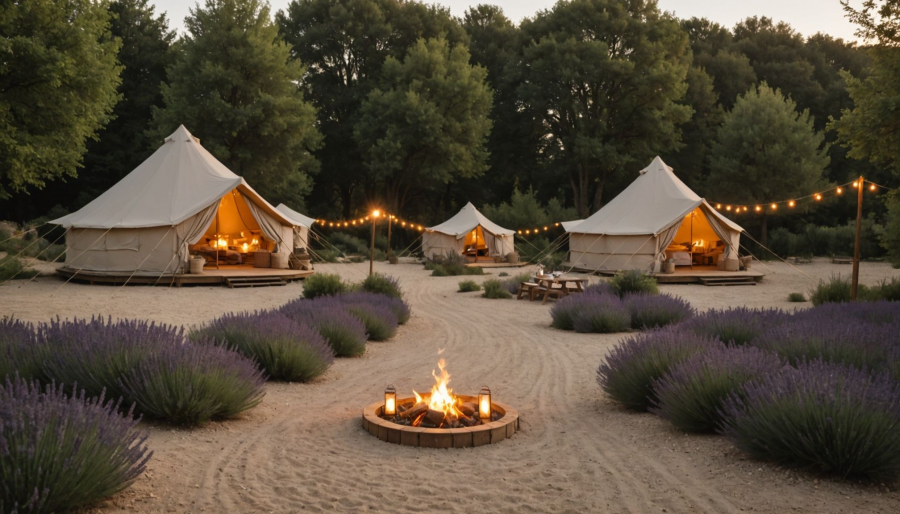
What truly sets high-end glamping apart isn’t just the design - it’s the sense of seclusion. Unlike traditional campsites packed with rows of tents, today’s elevated outdoor stays are built with space as a core principle. Lodges are strategically placed to maximize privacy, often separated by dense foliage or gentle slopes, ensuring that each guest enjoys their own pocket of wilderness. This is further enhanced by car-free policies, which eliminate noise, pollution, and visual clutter. The absence of vehicles transforms the entire atmosphere, making it safer for children, more peaceful for adults, and more welcoming for wildlife. In the quiet, you begin to hear the subtle sounds of the environment - rustling leaves, distant bird calls, the soft flow of a nearby stream. It’s a luxury not measured in price, but in presence.
Comparing top glamping styles for your French getaway
Choosing the right type of glamping accommodation can shape your entire experience. Each style offers a distinct relationship with the environment, balancing intimacy, openness, and sensory immersion. Whether you're drawn to the softness of canvas or the solidity of wood, understanding these differences helps you find the stay that aligns with your vision of escape.
Safari lodges versus rustic cabins
Safari tents, often built on wooden platforms with canvas walls, offer a unique blend of lightness and comfort. The fabric allows soft, diffused light to filter in during the day, creating a dreamy ambiance, while at night, insulation and double-layered materials keep the interior cozy. The slight rustle of wind against the canvas can be soothing - a gentle reminder of being outdoors. In contrast, wooden cabins provide a more grounded, womb-like feeling. Constructed from solid timber, they offer superior thermal mass, staying cooler in summer and warmer in winter. The scent of wood and the texture of unfinished walls enhance the tactile experience, making them ideal for those who value warmth and permanence.
The appeal of mobile gypsy caravans
Roulottes - the charming gypsy-style caravans - bring a touch of whimsy and nostalgia. These compact, intricately decorated spaces are masterclasses in efficient design, offering couples a cozy, intimate retreat. With hand-painted details, vintage furnishings, and compact kitchens, they feel less like accommodations and more like storybook homes on wheels. Their small footprint minimizes land disruption, and their mobility allows for rotational placement, giving the land time to regenerate. Despite their size, they often feature large windows and skylights, maintaining a strong visual connection to the surrounding nature.
| Accommodation Type | Key Visual Feature | Ideal Traveler | Primary Eco-Benefit |
|---|---|---|---|
| Safari Tents | Canvas walls with panoramic views | Couples, nature enthusiasts | Low-impact footprint, easy to dismantle |
| Wooden Cabins | Elevated structure with wraparound decks | Families, those seeking comfort | Durable, long-term use with natural insulation |
| Roulottes (Gypsy Caravans) | Colorful hand-painted exteriors | Romantic travelers, design lovers | Minimal soil compaction, rotational use |
Immersive nature retreats in the French countryside
The true appeal of French glamping lies not just in the stay itself, but in how it deepens your connection to the natural world. It’s one thing to look at nature from a distance; it’s another to live within it, to let its rhythms influence your daily life. In the countryside, where the land is less tamed, this immersion becomes almost tangible - a sensory experience that unfolds slowly.
Riverfront living and aquatic serenity
Staying beside a river transforms the entire atmosphere of a trip. The sound of flowing water has a well-documented calming effect, lowering stress and encouraging mindfulness. Campsites situated along riverbanks often offer guests the chance to canoe, fish, or simply wade in cool, clear water. The proximity to a water source also creates a unique microclimate - cooler in summer, more humid in spring - which supports a rich variety of plant and animal life. Waking up to mist rising off the water, or falling asleep to the gentle lap of waves, becomes part of the daily rhythm. These moments, simple and unscripted, are what many travelers remember most.
Permaculture gardens as a living decor
Some of the most memorable glamping sites integrate food production into their landscape design. Permaculture gardens aren’t just functional; they’re aesthetic. Rows of heirloom vegetables, fragrant herbs, and climbing bean trellises become part of the scenery, blurring the line between cultivation and ornamentation. Guests are often invited to forage for herbs, pick ripe tomatoes, or join a guided garden walk. This active participation fosters a deeper appreciation for seasonal cycles and local biodiversity. It also supports the site’s goal of self-sufficiency, reducing reliance on external supplies and reinforcing the idea that beauty and utility can coexist.
Curating the perfect glamping atmosphere
Luxury in glamping isn’t about excess - it’s about intention. Every detail, from lighting to furniture, is chosen to enhance the experience without overpowering it. The goal is not to bring the city into the woods, but to elevate the wild with subtle refinements that honor its essence.
Eco-friendly lighting and warmth
Evening is when atmosphere truly matters. To preserve the night sky and avoid light pollution, many sites use low-lumen LED lanterns, solar-powered string lights, or candle-style lamps. These create a soft, warm glow that invites conversation without disrupting nocturnal wildlife. Central to the experience is the fire pit - not just a heat source, but a communal focal point. Built from stone or recycled metal, it’s where stories are shared, marshmallows are roasted, and silence is appreciated. The flicker of flames against faces, the crackle of wood - these are the sensory anchors of a meaningful stay.
Texture and materials in unique stays
The interior design of high-end glamping leans heavily on natural textures. Think linen bedding, wool throws, and unvarnished wooden furniture. These materials feel authentic to the touch and age beautifully over time. They also contribute to a healthier environment - free from synthetic off-gassing, they support better indoor air quality. The color palette tends to be earthy: moss greens, clay reds, soft greys - all drawn from the surrounding landscape. This creates a sense of continuity, as if the room were an extension of the forest or meadow outside.
Minimalism in the wild
One of the defining traits of modern glamping is its embrace of minimalism. Instead of filling spaces with furniture, the focus is on a few well-chosen pieces that serve both function and form. A single leather armchair by the window, a handcrafted wooden table, a woven rug - each item is deliberate. This restraint isn’t about deprivation; it’s about clarity. With fewer distractions, the eye is drawn to the view: a sweeping valley, a canopy of trees, a star-filled sky. In this simplicity, guests often find a surprising richness - a reminder that comfort doesn’t require clutter.
Essential tips for a high-end outdoor stay
While luxury accommodations provide comfort, glamping still takes place in nature - and nature doesn’t compromise. A successful stay depends on thoughtful preparation. These practical suggestions ensure you enjoy the experience to its fullest, without unexpected discomforts.
Planning for seasonal variations
Even in summer, temperatures in regions like the Auvergne can drop significantly at night. The same landscapes that blaze with sunlight during the day can feel cool after sunset. Packing layers - especially a warm jacket, wool socks, and a beanie - ensures you stay comfortable during evening walks or early mornings. Rain is always a possibility, so a quality waterproof jacket and sturdy footwear are essential, even in dry seasons. It’s also wise to bring organic or biodegradable toiletries, as many eco-conscious sites use septic systems that can be disrupted by harsh chemicals.
- Suitable footwear for uneven, car-free paths
- Organic toiletries compatible with eco-drainage systems
- Advanced booking for wellness sessions (like yoga or massage)
- Detailed local maps for exploring surrounding trails
- Binoculars or a field guide for bird and plant observation
Responsible luxury in the heart of France
The most compelling glamping sites in France aren’t just beautiful - they’re meaningful. They operate on the principle that true luxury must be sustainable, not just for guests, but for the land and communities that host them. This ethos shapes every aspect of the experience, from construction to daily operations.
Supporting local craftsmanship
Many sites collaborate with regional artisans to furnish their lodges - from carpenters who build beds from reclaimed wood to weavers who craft rugs from local wool. This not only reduces the carbon footprint associated with shipping, but also strengthens the local economy. The result is a more authentic aesthetic, one that reflects the culture and materials of the region. A hand-carved table or a hand-thrown ceramic mug becomes more than decor; it’s a story told through craft.
Biodiversity protection programs
Some campsites go beyond basic sustainability by actively restoring ecosystems. They reintroduce native plant species, create habitats for pollinators, and avoid chemical pesticides altogether. Others are designated as bird sanctuaries or partner with conservation groups to monitor local wildlife. These efforts ensure that the beauty guests come to enjoy today remains vibrant for decades to come. In this way, staying at such a site becomes a form of quiet activism - a choice that supports long-term ecological health.
Visitor Questions
I usually find tents too humid, how do luxury safari lodges handle this?
Luxury safari lodges use breathable, technical fabrics and elevated wooden flooring to prevent moisture buildup. Good ventilation, including roof vents and mesh panels, allows air to circulate freely, reducing humidity. Many also use natural insulation materials that regulate temperature and moisture, keeping the interior dry and comfortable even in damp conditions.
What is the specific maintenance routine for a permaculture-integrated campsite?
These sites rely on natural soil enrichment through composting and crop rotation, avoiding synthetic fertilizers. Paths are maintained with local gravel or wood chips, and invasive species are managed by hand. The goal is to work with, not against, the ecosystem, ensuring long-term fertility and guest safety without chemicals.
Is glamping significantly different from staying in a high-end mobile home?
Yes. While both offer comfort, glamping emphasizes bespoke design, natural materials, and integration with the landscape. Mobile homes feel more standardized and enclosed, whereas glamping structures are often open, elevated, and built to highlight views and natural light, creating a more immersive experience.
Are there off-grid alternatives for those wanting total isolation?
Yes. Some remote sites offer solar-powered cabins or tiny houses with composting toilets and rainwater collection. These are designed for minimal environmental impact and maximum self-sufficiency, ideal for travelers seeking solitude and a deeper connection to nature.
How is the 'slow tourism' trend affecting French glamping development lately?
There's a growing shift toward longer stays and fewer programmed activities. Guests are encouraged to unplug, observe, and engage at their own pace. Sites now focus on creating spaces for reflection - reading nooks, garden paths, quiet zones - rather than scheduled entertainment.
